PRP THERAPY
- PRP tedavisi, hastanın kendi kanından elde edilen trombositlerin enjekte edilmesiyle sertleşme sorunu için yenilikçi ve doku onarıcı bir çözüm sunar.
- Tedavi süreci en az dört seanstan oluşur ve özellikle diyabet, sigara kullanımı veya obezite kaynaklı sertleşme sorunlarında etkili sonuçlar verir.
- Yan etkisi bulunmayan bu yöntem, ilaç kullanamayan hastalar için kalıcı bir iyileşme sağlar ve maksimum etkisini genellikle 1-2 ay içinde gösterir.

İçerik yapay zeka ile optimize edilmiştir
PRP Therapy: A Modern Solution for Erectile Dysfunction
PRP therapy (Platelet-Rich Plasma) has long been a trusted medical intervention across various disciplines. While orthopedists utilize it for joint diseases and plastic surgeons apply it to combat hair loss, wrinkles, and cellulite, it has now emerged as the newest and most effective treatment for erectile dysfunction (ED). This innovative approach leverages the body's own healing potential to restore function.
How the PRP Procedure Works
The procedure begins by taking a small sample of the patient’s blood, which is then subjected to a specialized separation process. During this process, platelet cells are isolated and concentrated. When these platelets are injected back into the body, they work to correct damage and rejuvenate the specific area, making it a powerful tool for tissue repair.
Target Groups and Treatment Protocol
PRP therapy is successfully used to treat erectile dysfunction, particularly in patients where the condition is linked to diabetes, smoking, or obesity. To achieve optimal results, the treatment follows a specific protocol:
- Minimum Sessions: The treatment consists of at least four sessions.
- Frequency: Ideally, one session is performed per day.
- Flexibility: If a patient cannot attend daily, sessions can be interrupted for one, two, or three days without compromising the therapy.
Effectiveness and Results of PRP
One of the primary advantages of PRP treatment is that it has no side effects and offers a permanent solution, provided that the factors causing the original damage are removed. Patients can expect the following timeline for results:
| Timeline | Expected Effect |
|---|---|
| Immediate | Effectiveness starts from the day of the procedure. |
| 1 - 2 Months | Maximum effect is generally observed. |
| Long-term | Permanent recovery if damaging factors are eliminated. |
PRP vs. Shock Wave Therapy (LSWT)
Shock Wave Therapy (LSWT) is an older, alternative treatment for erectile dysfunction. While LSWT can be applied after PRP or both can be started on the same day, PRP treatment is generally sufficient on its own for most patients. It stands out as the best option for those who cannot use medication due to side effects or those who prefer to avoid pharmacological interventions.
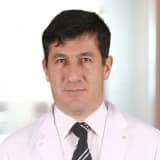
Professor Mete Kilciler, MD
Specialist in Urology
Urology Department of Bursa VM Medical Park Hospital