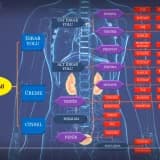
BLADDER CANCER FOLLOW-UP

- Mesane kanseri yüksek nüks ve ilerleme riski taşıdığı için, başarılı bir tedaviden sonra bile erken teşhis ve uzun süreli sağkalım amacıyla düzenli takip hayati önem taşır.
- Takip protokolleri; tümörün evresi, risk grubu ve uygulanan tedavi yöntemine göre her hasta için bireyselleştirilmiş şekilde planlanmalıdır.
- Sistoskopi, görüntüleme yöntemleri ve fonksiyonel testleri içeren bu süreçte, hastaların idrarda kan veya ağrı gibi belirtileri fark ettiklerinde vakit kaybetmeden uzman bir üroloğa başvurmaları gerekir.

İçerik yapay zeka ile optimize edilmiştir
Bladder Cancer Follow-Up: Why Regular Surveillance is Essential
Regular follow-up is an essential part of bladder cancer treatment, even after successful therapy. Because bladder cancer has a high risk of recurrence and progression, early detection of recurrent disease may significantly improve treatment outcomes and long-term survival. According to the 2026 European Association of Urology (EAU) Guidelines, follow-up should be individualized according to the patient's risk group, tumor stage, pathology, treatment received, and overall health.
Why is Follow-Up Necessary After Bladder Cancer Treatment?
Bladder cancer, particularly Non-Muscle-Invasive Bladder Cancer (NMIBC), has a relatively high risk of recurrence. Patients treated for Muscle-Invasive Bladder Cancer (MIBC) also require regular surveillance because of the possibility of local recurrence or distant metastasis. Detecting recurrence at an early stage often allows for more effective treatment interventions.
How is the Follow-Up Schedule Determined?
Every patient's follow-up plan is strictly individualized. The schedule depends on a variety of clinical factors:
- Tumor stage and pathological findings
- Risk classification
- Type of treatment received
- Patient's overall health and individual clinical characteristics
Follow-Up Protocols Based on Treatment Type
The surveillance strategy varies significantly depending on whether the bladder was preserved or removed.
| Treatment Type | Primary Follow-Up Methods |
|---|---|
| Bladder-Preserving Treatment | Regular cystoscopy, urine cytology, bladder biopsy (when indicated), and cross-sectional imaging. |
| Radical Cystectomy | Monitoring for local recurrence, distant metastases, urinary diversion function, and kidney function. |
| Neobladder and Ileal Conduit | Kidney function tests, electrolyte assessment, upper urinary tract imaging, and endoscopic evaluation. |
Which Tests are Performed During Surveillance?
Depending on the individual patient's risk profile and treatment history, follow-up may include the following investigations:
- Physical examination and blood tests
- Kidney function tests and urinalysis
- Imaging studies (CT scan or MRI)
- Cystoscopy and urine cytology
What are the Warning Signs of Recurrence?
Patients should promptly consult a urologist if they experience any of the following warning signs:
- Blood in the urine (hematuria)
- Recurrent urinary tract infections
- New pelvic or flank pain
- Unexplained weight loss
- Persistent bone pain
The EAU 2026 Key Message for Patients
According to the 2026 European Association of Urology (EAU) Guidelines, there is no single follow-up schedule suitable for every patient. Individualized surveillance based on the patient's specific risk profile is the gold standard. Maintaining regular follow-up appointments is an essential part of successful long-term treatment and oncological safety.
Personalized Follow-Up with Assoc. Prof. Dr. Serdar Yalçın
Assoc. Prof. Dr. Serdar Yalçın develops individualized follow-up programs for patients treated for bladder cancer in Bodrum, Türkiye, according to the latest EAU Guidelines. Each surveillance plan is tailored according to tumor stage, pathological findings, and the specific treatment received—including TURBT, intravesical therapy, radical cystectomy, orthotopic neobladder, ileal conduit, or trimodal therapy.
In addition to patients from Bodrum and the Muğla region, individuals from across Türkiye and abroad seek consultation for long-term surveillance, second opinions, and post-treatment evaluation. Patients frequently highlight detailed communication, rapid accessibility, and evidence-based care throughout their surveillance period.
Frequently Asked Questions
Do I still need follow-up if my bladder cancer has been successfully treated? Yes. Bladder cancer may recur even years after treatment, making long-term surveillance essential for your health.
How long will follow-up continue? The duration of surveillance depends on the patient's risk category, although many patients require long-term or lifelong follow-up.
Will I need cystoscopy at every visit? Not necessarily. The investigations performed at each visit depend on the patient's risk profile, previous treatment, and current clinical findings.