Plastic Surgery and Narcosis

- Estetik cerrahide genel, sedasyon ve lokal anestezi olmak üzere üç temel yöntem kullanılır ve tercih edilecek yöntem operasyonun karmaşıklığına göre belirlenir.
- Sedasyon ve lokal anestezinin birlikte uygulanması, hastanın aynı gün taburcu olmasına imkan tanırken cerraha operasyon sırasında hastayla iletişim kurma avantajı sağlar.
- Birçok estetik müdahale ayakta tedavi şeklinde gerçekleştirilebilse de, hasta güvenliği için tüm işlemlerin tam donanımlı bir ameliyathanede yapılması zorunludur.

İçerik yapay zeka ile optimize edilmiştir
Anesthesia in Aesthetic Surgery: Managing Pain and Patient Comfort
Like all surgical procedures, plastic surgeries involve processes that require effective pain management. To ensure patient comfort and safety, the Department of Anesthesiology provides specialized services to eliminate pain before the operation begins. This essential medical intervention, which renders the patient pain-free during the procedure, is known as anesthesia.
The Main Types of Anesthesia in Plastic Surgery
Modern medicine offers various methods to manage pain during aesthetic procedures. The choice of anesthesia depends on the complexity of the surgery and the patient's preferences.
General Anesthesia (Narcosis)
In general anesthesia, also commonly known as narcosis, the patient is completely anesthetized and remains unconscious throughout the procedure. During this state, breathing is supported by a machine, and the patient feels absolutely no sensation. Once the surgery is completed, the patient is awakened, resumes spontaneous breathing, and is disconnected from the anesthesia machine.
While general anesthesia has become exceptionally safe today, a "fear of narcosis" remains a reality for many individuals. Some patients prefer this method to avoid seeing or hearing anything during surgery, while others seek alternatives to avoid being "put to sleep" or connected to a machine. Today, many painless surgeries can be performed successfully without general anesthesia.
Sedation Anesthesia
During sedation anesthesia, an anesthesiologist administers potent sedative drugs intravenously. While the patient falls into a light sleep and does not feel pain, they remain capable of responding to questions or moving specific body parts when requested by the surgeon. As the intravenous drugs wear off, the patient quickly returns to full alertness and is typically able to walk within a short timeframe.
Local Anesthesia
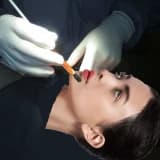
Local anesthesia involves injecting drugs with a strong numbing effect directly into the operation site. This method, which many people recognize from dental treatments, eliminates the sensation of pain in a specific area within minutes. The effect typically lasts for several hours. The only discomfort associated with local anesthesia is the slight, brief pain felt during the initial needle insertion.
The Advantages of Combined Sedation and Local Anesthesia
In many aesthetic procedures, sedation and local anesthesia are performed together. This combination ensures that the patient does not feel the initial numbing injections. This approach offers several distinct advantages over general anesthesia:
- Same-Day Discharge: Patients can usually return home shortly after surgery without the need for overnight hospitalization.
- Patient Cooperation: Being able to follow the physician's instructions during surgery makes the procedure safer and more efficient.
- Cost Efficiency: Known as "same-day surgery," this method significantly reduces overall operating costs.
- Real-Time Results: In sensitive areas like the face or eyelids, the patient can move their lips or open/close their eyes, allowing the surgeon to evaluate the effectiveness of the operation immediately.
Aesthetic Surgeries Suitable for Outpatient Anesthesia
Many common aesthetic procedures can be performed on an outpatient basis using a combination of sedation and local anesthesia. This allows for a faster recovery and eliminates the need for an overnight hospital stay.
| Surgery Type | Anesthesia Method |
|---|---|
| Liposuction | Sedation + Local |
| Simple Breast Lift | Sedation + Local |
| Simple Nose Surgeries | Sedation + Local |
| Eyelid & Eyebrow Surgeries | Sedation + Local |
| Ear, Face, and Neck Aesthetics | Sedation + Local |
Essential Safety Standards for Outpatient Procedures
It is crucial to understand that outpatient aesthetic surgeries performed under sedation are medical procedures of the same gravity as those performed under general anesthesia. Therefore, regardless of the anesthesia type, these operations must be conducted in a full-fledged operating room to ensure the highest standards of safety and professional care.