Improving Facial Appearance by Injectable Materials

- Yüz yaşlanmasının temel nedeni cilt altındaki yumuşak doku ve kemik yapısının azalmasıdır, bu yüzden sadece cilt germe işlemleri yaşlanma karşıtı tedavide yetersiz kalmaktadır.
- Hastanın kendi vücudundan alınan yağ dokusu (otolog yağ transferi), hem hacim kazandırması hem de kök hücre içermesi nedeniyle en güvenli ve etkili dolgu yöntemi olarak kabul edilir.
- Laboratuvar ortamında üretilen hyaluronik asit dolgular pratik ve güvenli bir alternatif sunarken, komplikasyon riski yüksek olan kalıcı dolgu maddelerinden kaçınılmalıdır.
İçerik yapay zeka ile optimize edilmiştir
Understanding Facial Aging and the Role of Fillers
Studies on aging indicate that one of the most critical factors in facial aging is the reduction of soft tissues and even bone structures beneath the skin. This scientific insight has taught us that aging does not only affect the skin surface but also the underlying support structures.
Consequently, skin stretching operations alone are often insufficient for comprehensive anti-aging treatment. The volume loss of subcutaneous tissues reduces skin tightness, directly causing wrinkles and sagging. Beyond natural aging, factors such as accidents, infections, diseases, and congenital conditions can also lead to tissue collapse in various body parts.
The Concept of Grafting in Aesthetic Medicine
The most logical and valid method in treatment is to eliminate the deficiency using the patient's own tissue. The process of placing tissue taken from one part of the body into another area is professionally termed "grafting." Filling the subcutaneous area with biologically compatible materials or tissue grafts mechanically expands the skin and effectively reduces wrinkles.
1. Skin Grafts
Skin grafts are the most commonly used type of graft in general surgery. However, they are ineffective in adding volume. Their primary use is to provide skin coverage for injured or damaged skin areas rather than for facial contouring.
2. Cartilage and Bone Grafts
These grafts are utilized only to fill small deficiencies. Because the supply of these tissues within the human body is limited, it is not possible to obtain large amounts for extensive filling procedures.
3. Fat Tissue (Autologous Fat Transfer)
While removing excess adipose tissue (liposuction) has been performed for decades, the value of this tissue as a filler has only recently been fully appreciated. Fat harvested from the patient's own body is considered one of the best filling materials available.
Advantages of Fat Grafting:
- Dual Action: It provides volume and introduces growth factors and stem cells to the area.
- Safety: It is a safe and reliable procedure performed with specific cannulas or needles.
- Longevity: Adipose tissue can survive for several years when stored in specialized deep freezers (-60 to -80 degrees).
- Future Use: Frozen fat can be thawed and reinjected later without requiring a new surgical harvest.
Note: Harvesting fat requires an operating room environment and anesthesia. In some cases, repeated injections may be necessary to achieve the desired result.
Artificially Produced Fillers
Since the 1980s, significant research has focused on laboratory-produced materials. These fillers offer a practical solution for patients seeking non-surgical enhancements.
| Filler Type | Characteristics | Key Considerations |
|---|---|---|
| Collagen | Known as Zyderm or Zyplast | High allergy risk; usage has largely disappeared. |
| Hyaluronic Acid (HA) | Naturally found in the body | Safe, reversible, but lasts only months to years. |
| Poly L Lactic Acid | Synthetic injectable | Used for gradual volume restoration. |
| Permanent Fillers | Non-resorbable chemicals | High risk of difficult-to-treat complications. |
Commercial Fillers (Hyaluronic Acid and Others)
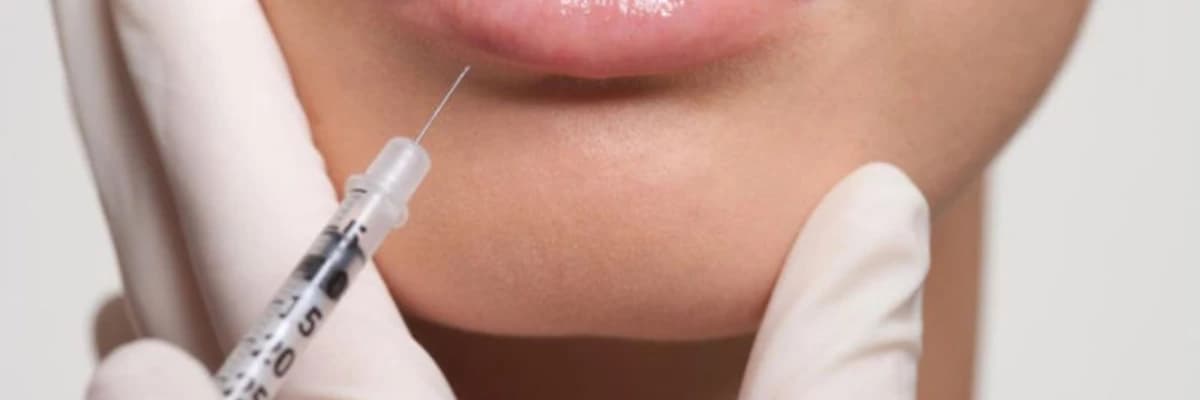
Hyaluronic Acid (HA) is the most frequently used commercial filler because it is a substance naturally found in the body, minimizing foreign body reactions. These are applied in office conditions using ready-to-use syringes. A significant advantage of HA is that it can be dissolved by a synthetic drug if an undesirable result occurs. However, they are not ideal for large-volume corrections due to their commercial packaging (1 ml injectors).
Non-Resorbable (Permanent) Fillers
Some substances on the market do not dissolve. While they may stay for a long time without issues, any complication that arises is extremely difficult to treat. Due to these safety concerns, Prof. Dr. Ege Ozgentas does not use permanent fillers in his practice.
Blood-Derived Treatments and Stem Cells
Often marketed as the "Vampire Face Lift" or "Stem Cell Facelift," these procedures involve treating the patient's own blood in a laboratory before reinjection.
- PRP (Platelet Rich Plasma): Prepared by centrifuging blood to concentrate platelets (up to 8 times normal levels). Platelets are responsible for healing and tissue regeneration.
- Stem Cells: These cells are capable of dividing and creating specific tissues. While they have regenerative potential, it is important to note that there is currently not enough scientific justification to fully back all the popular claims surrounding these procedures.
Expert Recommendation
In clinical practice, Prof. Dr. Ege Ozgentas prefers to use autologous fat injections (fat taken from the same person) for both filling and rejuvenating purposes. This method provides the most natural and long-lasting results by utilizing the body's own biological resources.