Erectile Dysfunction: Causes and Treatment Options
- Erektil disfonksiyon, genellikle damar hastalıkları, diyabet ve yaşam tarzı faktörlerinden kaynaklanan ve 40 yaş üstü erkeklerin büyük bir kısmını etkileyen tedavi edilebilir bir sağlık sorunudur.
- Bu durum sadece cinsel bir problem değil, aynı zamanda kalp hastalıkları ve diyabet gibi ciddi sistemik rahatsızlıkların erken habercisi olabileceği için tıbbi değerlendirme gerektirir.
- Tedavi sürecinde yaşam tarzı değişiklikleri ve ilaç kullanımından, şok dalga terapisi ve kalıcı çözüm sunan penis protezi cerrahisine kadar geniş bir yelpazede modern seçenekler sunulmaktadır.
İçerik yapay zeka ile optimize edilmiştir
What is Erectile Dysfunction?
Erectile dysfunction (ED), clinically known as impotence, is the persistent inability to achieve or maintain an erection firm enough for satisfactory sexual intercourse. Beyond being a physical health concern, this condition profoundly impacts a man's self-confidence, affects intimate relationships, and significantly reduces overall quality of life.
Erectile dysfunction is more prevalent than commonly assumed. Approximately half of men over the age of 50 experience varying degrees of this issue. Specifically, research conducted in Turkey indicates that 69% of men over 40 experience ED, though actual figures may be higher due to the hesitation many feel when discussing the topic with healthcare professionals.
It is important to distinguish occasional difficulties from a chronic condition. While infrequent issues are considered normal, if the problem persists consistently for 3 to 6 months, consulting a urologist is highly recommended.
How Does an Erection Occur?
An erection is a complex physiological process triggered by visual, auditory, or tactile sexual stimulation. Once stimulated, the brain sends signals that cause the blood vessels in the penis to dilate, allowing blood to fill the internal spongy tissues. When blood flow reaches sufficient levels, the penis becomes rigid.
This process relies on the seamless coordination of three primary systems:
- The Nervous System: Transmits the necessary signals from the brain.
- The Vascular System: Manages the flow of blood into the penile tissues.
- The Hormonal System: Regulates the chemical triggers required for arousal.
Primary Causes of Erectile Dysfunction
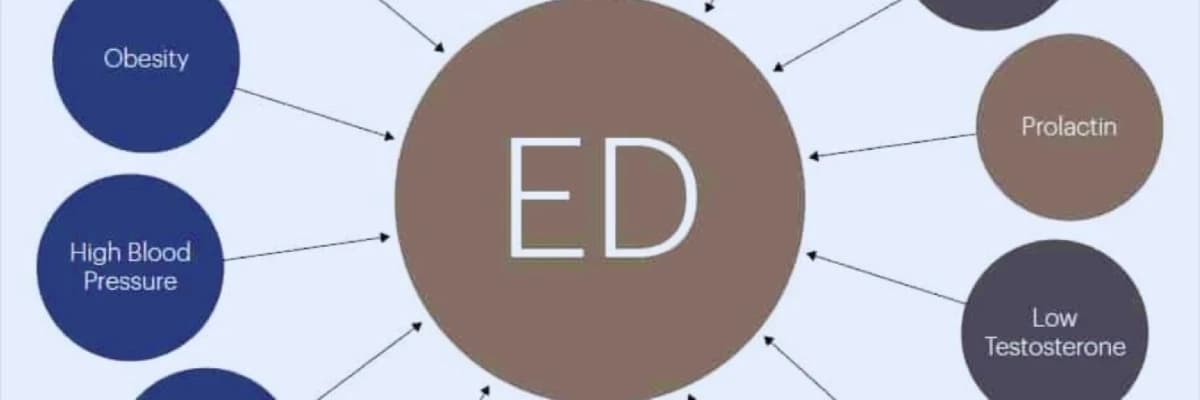
While historically viewed as a psychological issue, modern medicine recognizes that ED most often stems from physical causes. Furthermore, erectile dysfunction can serve as an early warning sign for serious underlying systemic diseases.
Physical Causes
- Vascular Diseases: The most frequent cause. Conditions like atherosclerosis (hardening of the arteries) prevent adequate blood flow to the penis.
- Diabetes: Patients with diabetes experience ED three times more often than non-diabetics due to damage to both blood vessels and nerves.
- Hypertension and High Cholesterol: High blood pressure and arterial blockages significantly restrict penile circulation.
- Hormonal Disorders: Low testosterone levels lead to decreased libido and erectile difficulties.
- Neurological Diseases: Conditions such as multiple sclerosis, Parkinson’s, and spinal cord injuries.
- Surgical Procedures: Nerve damage may occur during prostate, bladder, or colon surgeries.
- Medication Side Effects: Certain antidepressants, blood pressure medications, and pain relievers can impair erectile function.
Psychological and Lifestyle Factors
Psychological factors such as stress, anxiety, depression, and performance anxiety can create a recurring cycle of failure. Additionally, lifestyle choices play a critical role. Smoking, excessive alcohol consumption, obesity, and a sedentary lifestyle are major contributors to vascular impairment.
Recognizing the Symptoms
The primary symptoms of erectile dysfunction include:
- Complete inability to achieve an erection.
- Difficulty initiating an erection.
- Inability to maintain an erection throughout intercourse.
- Decreased sexual desire (low libido).
- Delayed or difficult ejaculation.
- Loss of morning erections.
Diagnosis and Clinical Evaluation
A urologist begins the diagnostic process with a detailed medical history. It is essential to be transparent about sexual desire, frequency of intercourse, and the presence of spontaneous erections. The following diagnostic tools are commonly utilized:
- Blood Tests: To check glucose, cholesterol, and testosterone levels.
- Physical Examination: Focused on the penis and testicles.
- IIEF Questionnaire: An international standard for assessing the severity of sexual dysfunction.
- Doppler Ultrasound: Used in advanced cases to evaluate penile blood flow.
Modern Treatment Options
Erectile dysfunction is a treatable condition, and treatment plans are tailored to the underlying cause. The following table summarizes the primary medical interventions and their success rates:
| Treatment Method | Success Rate | Key Characteristics |
|---|---|---|
| PDE5 Inhibitors (Oral) | 70-80% | First-line treatment; increases blood flow. |
| ESWT (Shockwave Therapy) | 60-70% | Triggers new blood vessel formation; painless. |
| Penile Injection | High | Rapid results (10-15 mins); self-administered. |
| Penile Prosthesis | 90-95% | Permanent surgical solution; high satisfaction. |
1. Lifestyle Modifications
The first step in any treatment plan involves quitting smoking, reducing alcohol intake, and regular exercise (at least 150 minutes of brisk walking per week). A Mediterranean diet and improved sleep patterns (7-8 hours) also support sexual health.
2. Pharmacological and Mechanical Treatments
- Oral Medications: PDE5 inhibitors are the most common choice but must be used under medical supervision, especially for heart patients.
- Vacuum Devices: A drug-free option that uses a vacuum to draw blood into the penis, though it lacks spontaneity.
- Testosterone Therapy: Administered via gels, patches, or injections for patients with confirmed hormonal deficiencies.
3. Surgical Solutions: Penile Prosthesis
When other treatments fail, a penile prosthesis (happiness rod) offers a permanent solution. Options include inflatable prostheses, which provide a natural appearance, and semi-rigid prostheses. Surgery typically lasts 45-90 minutes, and patients can usually return to sexual activity within 4-6 weeks.
Common Myths vs. Facts
- Myth: ED only affects elderly men.
- Fact: It frequently occurs in younger men as well.
- Myth: The problem will resolve on its own.
- Fact: It often signals an underlying disease and requires medical attention.
- Myth: Medications are addictive.
- Fact: PDE5 inhibitors do not cause physical addiction.
Conclusion
Erectile dysfunction is a treatable medical condition, not a source of shame. Because it can be an early warning sign for heart disease or diabetes, early diagnosis is vital. With modern medical advancements, more than 90% of patients can be successfully treated, restoring both their sexual health and overall quality of life.