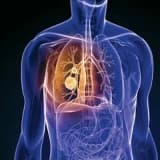
EBUS BRONCHOSCOPY

- Bronkoskopi, akciğer hava yollarını doğrudan gözlemlemek ve açıklanamayan solunum semptomlarını teşhis etmek amacıyla kameralı bir cihazla gerçekleştirilen tıbbi bir prosedürdür.
- Bu işlem, enfeksiyon veya kanser teşhisi için doku örneği alınmasının yanı sıra tıkanıklıkların giderilmesi ve kanama kontrolü gibi tedavi edici müdahaleler için de kullanılır.
- EBUS gibi gelişmiş teknikler, hava yollarının dışındaki dokuların ve lenf düğümlerinin gerçek zamanlı görüntülenmesini sağlayarak cerrahi kesiye gerek kalmadan güvenli biyopsi imkanı sunar.

İçerik yapay zeka ile optimize edilmiştir
What is Bronchoscopy?
Bronchoscopy is a specialized medical procedure designed to examine the airways within the lungs, known as the bronchus, through direct visualization. This procedure is performed using a bronchoscope, which is a thin, flexible, tube-like device equipped with a miniature camera at its tip to provide high-quality imaging of the respiratory tract.
Why is Bronchoscopy Necessary?
Physicians utilize bronchoscopy to investigate unexplained chest symptoms and evaluate persistent respiratory issues. The procedure allows for a detailed examination of the airways to identify abnormalities and collect tissue samples for the diagnosis of infections or cancer.
Clinical Indications for the Procedure
Bronchoscopy is frequently recommended when patients present with the following conditions:
- Persistent cough or wheezing.
- Coughing up blood (hemoptysis).
- Unexplained shortness of breath.
- Lung collapse caused by obstructions such as thick mucus, tumors, or foreign bodies.
- Abnormal radiological findings, including masses, nodules, or infiltrations.
Therapeutic Interventions via Bronchoscopy
Beyond its diagnostic capabilities, flexible bronchoscopy serves as a vital tool for various medical interventions. It allows physicians to treat specific conditions directly within the airways, often avoiding the need for more invasive surgical procedures.
| Intervention Type | Purpose and Action |
|---|---|
| Obstruction Removal | Clearing foreign bodies, tumors, or thick mucus plugs. |
| Biopsy & Sampling | Obtaining fluid or tissue for cancer and infection analysis. |
| Bleeding Control | Managing and stopping internal airway hemorrhages. |
| Advanced Procedures | Applying electrocautery, cryotherapy, or laser therapy. |
| Stent Placement | Inserting airway stents to maintain bronchial patency. |
Endobronchial Ultrasound (EBUS)
While standard bronchoscopy provides a clear view of the interior airways, certain diseases—such as sarcoidosis or specific cancers—may be located outside the bronchial walls. Endobronchial Ultrasound (EBUS) is an advanced bronchoscopic technique that combines ultrasound technology with a bronchoscope to visualize lung tissue and the mediastinum adjacent to the airways.
Real-Time Imaging and Biopsy
The mediastinum is the central area of the chest located between the lungs, containing the heart, windpipe, large blood vessels, and lymph nodes. This region is traditionally difficult to access without invasive surgery.
EBUS provides real-time imaging, enabling the physician to view these critical areas clearly. This technology allows for precise aspiration needle biopsies of lymph nodes, providing a safe and effective alternative to surgical incisions for diagnostic purposes.